
 Available in US
Loading...
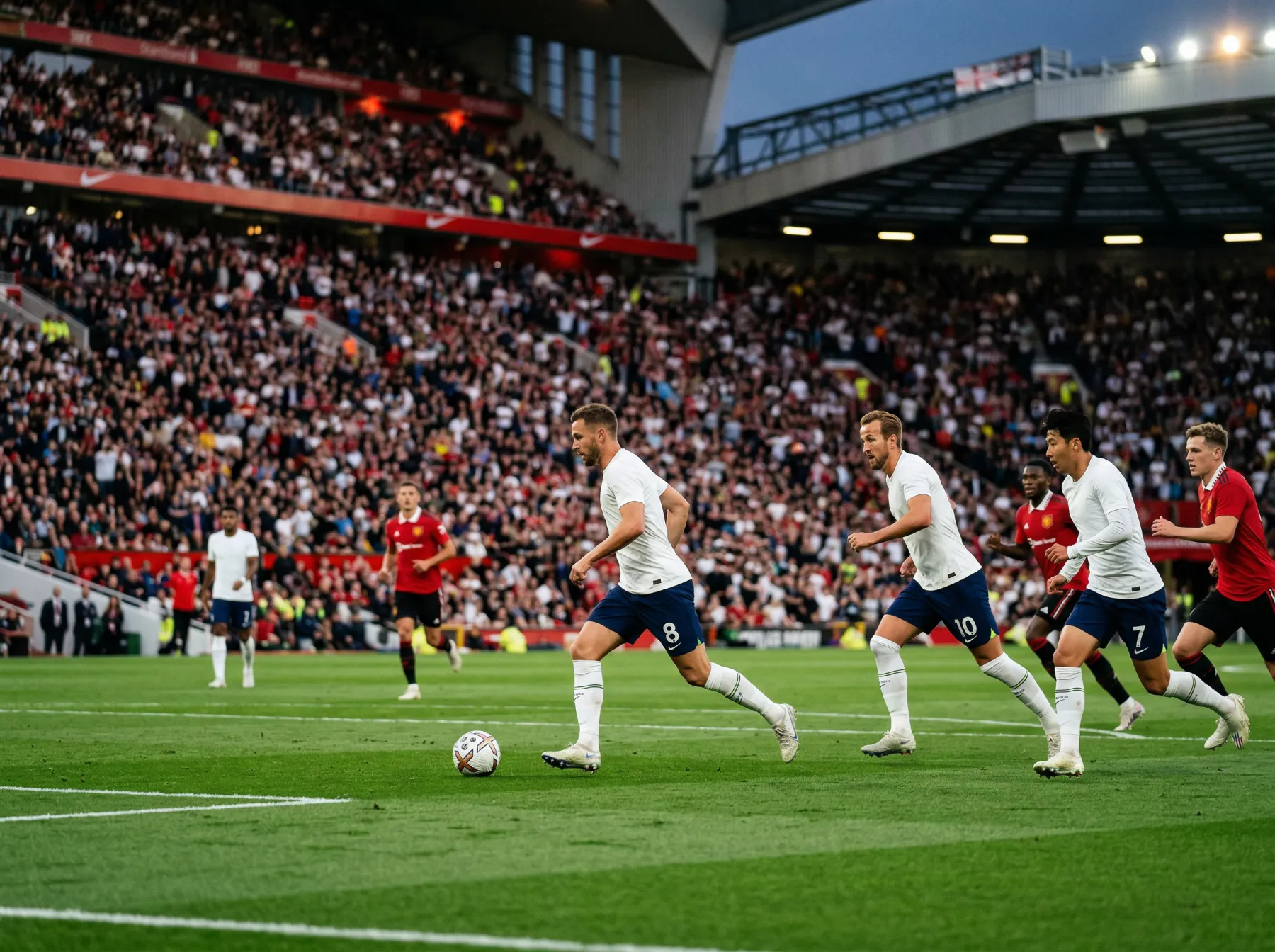
England at a World Cup: hope, hype, and the familiar knot in the stomach — but 2026 might actually be different. I have watched England at four consecutive major tournaments, and the trajectory is unmistakable. Semi-final in 2018, Round of 16 in 2022 after reaching the Euro 2020 final, Euro 2024 final — the pattern is a team that consistently goes deep but stops one step short of winning. The 2026 World Cup arrives at a moment when England’s squad depth is arguably the strongest it has ever been, the tactical approach has evolved beyond Gareth Southgate’s conservative template, and the historical burden of “it’s coming home” irony has been replaced by something closer to genuine belief.
For Kiwi punters, England at the 2026 World Cup represent one of the more interesting betting propositions in the tournament. The odds are neither too short (like France) nor too long (like outsiders with talent but no pedigree). England sit in a pricing band where the market’s assessment can be challenged from either direction, and that ambiguity is where value hides.
Squad Evolution: Life After the Old Guard
The Southgate era produced consistency but never the trophy. Now, under new management, England face the task of maintaining that consistency while adding the ruthlessness that was so painfully absent in penalty shootouts and major finals. The squad transition has been more seamless than many predicted — the post-Kane, post-Henderson, post-Maguire generation has arrived with a level of technical quality that surpasses anything English football has produced.
The attacking talent is extraordinary. Jude Bellingham at Real Madrid has developed into one of the five best players in world football — a midfielder who scores, creates, presses, and leads with an authority that belies his age. Phil Foden, Bukayo Saka, and Cole Palmer provide a supporting cast of attackers who would start for virtually any other national team. The depth of England’s forward options means the coach can select different configurations for different opponents without any loss in quality, and that adaptability is a crucial asset in a seven-match tournament.
The midfield has been the area of greatest improvement. Declan Rice provides the defensive anchor, while Bellingham operates as the box-to-box threat who links defence to attack. The options beyond those two include players who offer control, creativity, and physical presence in roughly equal measure. England’s midfield can match France’s for depth, which is a statement that would have been laughable a decade ago but is now supported by the data.
Defensively, the evolution has been less dramatic but no less important. The centre-back options are drawn from the Premier League’s elite clubs, and the full-back positions — historically a weakness for England — are now covered by players who contribute meaningfully in both phases of play. The goalkeeping situation is settled, and England’s defensive structure has been refined through multiple tournaments into a system that concedes few clear-cut chances against any level of opponent.
Where concerns persist is in the coaching. The post-Southgate transition brought tactical ambition but also uncertainty. England’s identity under the new regime is still forming, and the question of whether the squad’s obvious talent can be organised into a cohesive tournament unit remains unanswered. Talent alone does not win World Cups — ask Belgium, ask the Netherlands, ask any generation of gifted players who arrived at a tournament without a clear plan and went home wondering what happened.
Group L: Croatia, Ghana, Panama
Group L pairs England with a familiar foe in Croatia, a talented but unpredictable Ghana, and Panama, who return to the World Cup after their debut in 2018. It is a group that England should navigate comfortably, but “should” is the most dangerous word in World Cup vocabulary, and England’s history of underperforming against opponents they are expected to beat is long and well-documented.
Croatia are the headline opponent, and the fixture carries historical weight. England lost to Croatia in the 2018 semi-final — a devastating defeat that Gareth Southgate’s squad never fully recovered from psychologically. Croatia also eliminated England in qualifying for the 2008 European Championship in a rain-soaked Wembley night that remains one of the most painful experiences in recent English football history. The rivalry is not based on geography or political tension — it is based on Croatia’s repeated ability to produce their best football at England’s expense when it matters most.
The 2026 version of Croatia is older and less threatening than the squad that reached the 2018 final and finished third in 2022. Luka Modrić, if he is in the squad at 40, will be a diminished presence. The defensive structure that served Croatia so well in Qatar has aged out, and the replacements, while competent, do not carry the same pedigree. My assessment is that England are clear favourites in this fixture, and the market’s pricing reflects that — but the narrative weight of the England-Croatia rivalry may create emotional bets that distort the odds slightly in Croatia’s favour, which paradoxically makes England’s match odds marginally more valuable than they should be.
Ghana bring pace, physicality, and an unpredictability that makes them dangerous opponents in a one-off match. Their attacking players are capable of individual moments that bypass tactical preparation, and Ghana’s pressing intensity can overwhelm teams that are slow in transition. England’s defensive structure should be able to contain Ghana’s threat, but if Ghana score first, the dynamic changes entirely — England chasing a game against a fast, aggressive opponent is a scenario that has produced uncomfortable moments in the past.
Panama are the group’s lowest-ranked team, and the fixture serves as an opportunity for England to build confidence, goal difference, and rhythm. The 6-1 result between these teams at the 2018 World Cup is the reference point, and while the current Panama squad is more competitive than that version, the quality gap remains substantial. England minus 2.5 goals is the handicap line worth examining, and the total goals over market in this fixture should be set generously.
Odds Assessment: Perennial Overpriced?
The persistent criticism of England in betting markets is that they are overpriced — too much money flows to England from the enormous base of English punters, compressing the odds beyond fair value. For decades, this criticism was valid. England attracted more casual bets than any other team, the bookmakers adjusted accordingly, and analytical punters learned to avoid England’s markets entirely.
In 2026, I think that dynamic has shifted. England’s recent tournament performances — final in 2024, deep runs in 2018 and 2022 — have recalibrated the market’s assessment from “hope” to “expectation”, and the odds now more accurately reflect England’s genuine probability of winning. The squad depth is among the top three in the tournament. The Premier League experience means every player is accustomed to high-pressure matches. The tactical evolution under the new coaching regime offers more versatility than the Southgate era provided. England’s odds in 2026 are closer to fair value than at any previous World Cup in my career, which means the traditional advice to avoid England no longer applies automatically.
The specific markets where I see opportunities are in England’s Group L fixtures. England to win Group L with maximum points (three wins from three) is priced at odds that offer value if you believe — as I do — that this squad is too strong for Croatia, Ghana, and Panama across 270 minutes of group-stage football. The Croatia match is the one where points could be dropped, but England’s quality advantage is sufficient to overcome the narrative weight of the rivalry.
Tournament Record: So Close, So Often
England’s World Cup history is a masterclass in almost. One trophy in 1966, and then sixty years of near-misses, penalty heartbreaks, and the gradual accumulation of emotional scar tissue that defines the English relationship with the national team. The semi-final loss to Croatia in 2018, the penalty shootout defeats, the quarter-final exits — the pattern is so consistent that it has become part of the national character.
What has changed in the most recent cycle is the quality of the near-misses. Reaching the Euro 2020 final (lost on penalties to Italy) and the Euro 2024 final (lost to Spain) suggests a team that is no longer falling short due to lack of talent but due to fine margins in decisive moments. The difference between “not good enough” and “unlucky” is significant for punters, because the latter implies that the underlying probability of success is higher than the results indicate. England have been generating the chances, creating the opportunities, and reaching the matches where trophies are decided. Converting those opportunities is the final step, and the 2026 World Cup offers another chance to take it.
The penalty shootout record — historically England’s most reliable method of tournament exit — has actually improved in recent years. Victories over Colombia (2018) and Switzerland (2024 Euros) in shootouts suggest the psychological barrier has been partially dismantled. Whether that translates to the pressure of a World Cup knockout stage remains to be seen, but the evidence is more encouraging than at any point in the previous three decades.
Betting Angle: Where the Value Sits
For Kiwi punters looking at England, the value sits in two places. First, the group-stage markets. England to top Group L is priced at odds that slightly underestimate their probability of doing so, given the squad’s quality advantage over all three opponents. Second, the “to reach the semi-final” or “to reach the final” markets, where England’s tournament consistency — deep runs at the last four major tournaments — supports a high probability of progressing through the bracket, regardless of whether they ultimately win the trophy.
The outright winner market is a closer call. England’s price is not as compressed as France’s, which means there is more potential value. But the coaching uncertainty and the untested new tactical approach introduce risks that the squad talent alone cannot eliminate. If you are building a diversified tournament portfolio, England belong in it — but at a moderate stake rather than a maximum commitment.
Individual player markets offer perhaps the best opportunities. Bellingham’s goal involvement across the tournament — goals plus assists — is a market where his odds underestimate his contribution. He operates in the most advanced midfield role, takes set pieces, and arrives in the box for late runs. His statistical profile at Real Madrid translates almost directly to the international stage, and the Group L opposition is unlikely to contain him consistently across three matches. If TAB NZ offers a Bellingham-specific market for the tournament, it deserves serious consideration.
The England versus Croatia match is the single fixture in Group L that merits standalone attention. The historical context, the competitive balance (Croatia are weaker than in 2018 but still capable), and the likely market distortion caused by narrative-driven bets create a pricing environment where analytical punters can find edges. England’s match odds may be slightly too long due to the Croatia rivalry premium, and the under 2.5 goals line in this fixture reflects the likelihood of a tactically cautious encounter between two experienced tournament teams.
The Three Lions and the Kiwi Punter’s Angle
England at the 2026 World Cup are a team in transition but a team with enough talent to win the whole thing. The squad depth is genuine, the tournament pedigree is established, and the coaching evolution — while still unproven — offers tactical dimensions that were absent under Southgate. For Kiwi punters, England represent a mid-odds opportunity that belongs in any serious tournament portfolio, particularly in the group-stage and deep-run markets where the value is most apparent. The sixty-year wait may end in 2026. And if it does not, the margins will be fine enough that backing England will not feel like a mistake — just another chapter in the longest-running almost-story in world football.
