That Actually Matter for Betting
Most stats are noise. A possession percentage tells you who had the ball, not who...

Your insider source for 2026 FIFA World Cup betting analysis. Expert odds breakdowns, group previews, All Whites coverage and value picks for NZ punters.
 Available in US
Loading...
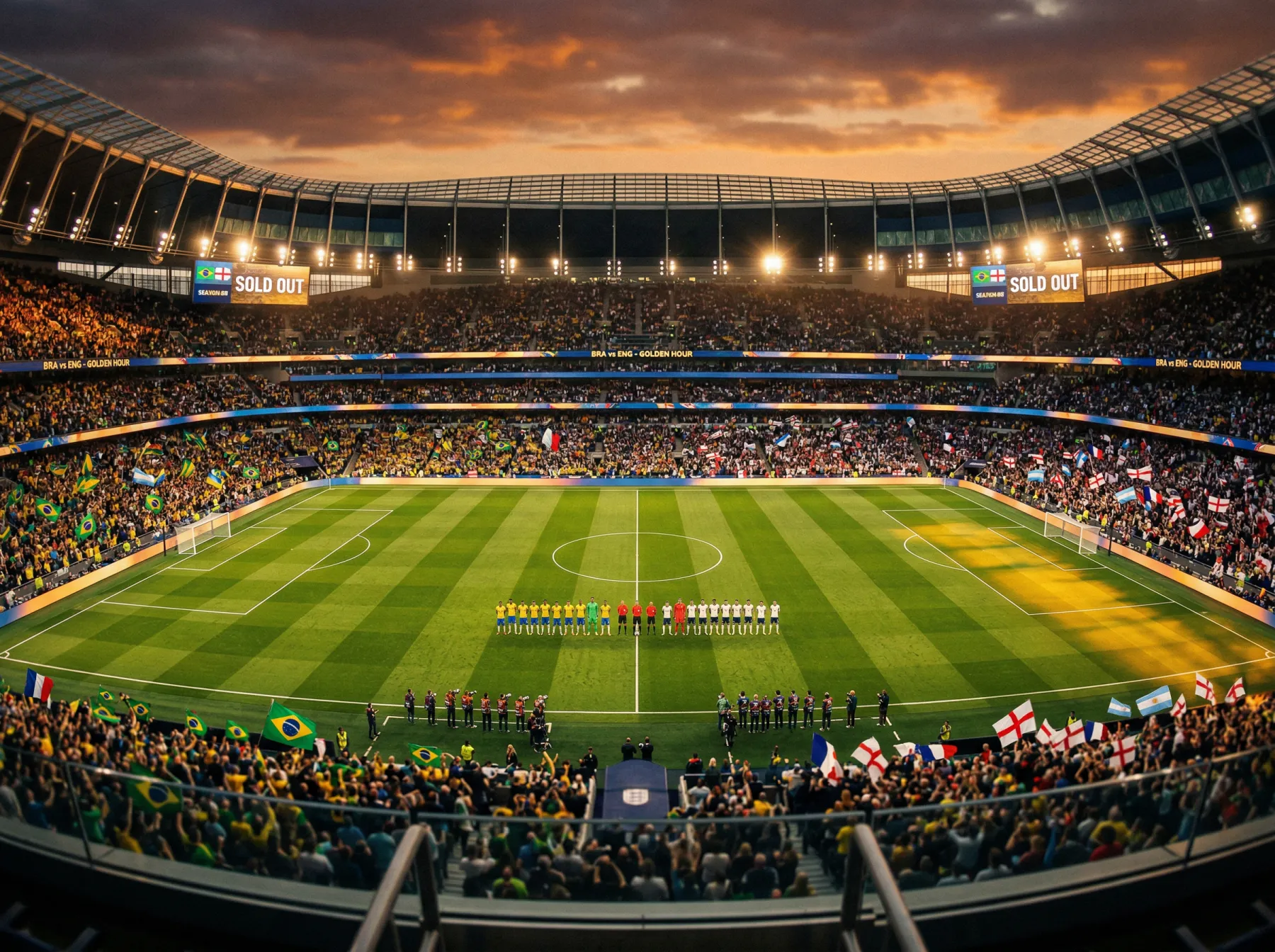
Nine years covering World Cup betting markets taught me one thing that no odds board ever will: the tournament you prepare for is never the tournament you get. The 2026 FIFA World Cup in the United States, Mexico, and Canada is about to prove that rule harder than any edition before it. Forty-eight teams. One hundred and four matches. Thirty-nine days of football stretched across three countries and sixteen stadiums, from the altitude of Mexico City's Estadio Azteca to the climate-controlled dome of SoFi Stadium in Los Angeles. And for the first time since 2010, the All Whites will be there.
I built this vault for a specific kind of punter — the one who wants to understand what's actually happening behind the decimal odds on their TAB NZ screen, not just which team "looks good." The 2026 World Cup betting landscape is unlike anything we've seen: a new format that fundamentally changes group-stage dynamics, a geopolitical wildcard in Group G that could reshape the bracket, and a host nation effect spread across three countries instead of one. The market hasn't fully absorbed any of this yet, and that gap between what the odds say and what the data shows is where value lives.
⚽ World Cup 2026 Value Finder
48 equipos, 104 partidos, 39 días – el nuevo formato cambia todo. La diferencia entre lo que dicen las cuotas y lo que muestran los datos es donde vive el valor. Analiza la clasificación, la probabilidad de ganar el grupo y el valor de cada equipo.
What follows is a complete overview of the tournament from a betting analyst's perspective — the format, the groups, the odds, the history, the stadiums, and the legal framework for punting in New Zealand. Every section links to deeper analysis elsewhere on the site, but each one stands on its own as an insider briefing. I've spent months building the models and cross-referencing the data. This is where all of it starts.
When FIFA confirmed the expansion to 48 teams back in 2017, I remember a colleague saying it would "dilute the product." He was thinking about football quality. I was thinking about betting markets — and from where I sit, dilution is exactly what creates opportunity. More teams means more unknowns, more unknowns means wider odds spreads, and wider spreads mean more spots where the bookmaker's model and reality part ways.
The structure is straightforward on paper: twelve groups of four, with the top two from each group advancing to the Round of 32 alongside the eight best third-placed teams. That last detail is the one most punters haven't fully processed. In a 32-team World Cup, finishing third in your group meant going home. In 2026, finishing third might mean facing the group winner from the weakest section of the draw — which could be a more favourable path than topping a group of death.
The numbers behind the format: 48 teams, 12 groups of 4, 104 total matches across 39 days. The group stage runs from 11 June to 28 June 2026. The Round of 32 begins immediately after, with the final at MetLife Stadium in East Rutherford, New Jersey, on 19 July. Three host nations — the United States (11 stadiums), Mexico (3), and Canada (2) — share duties, marking the first tri-host World Cup in history.
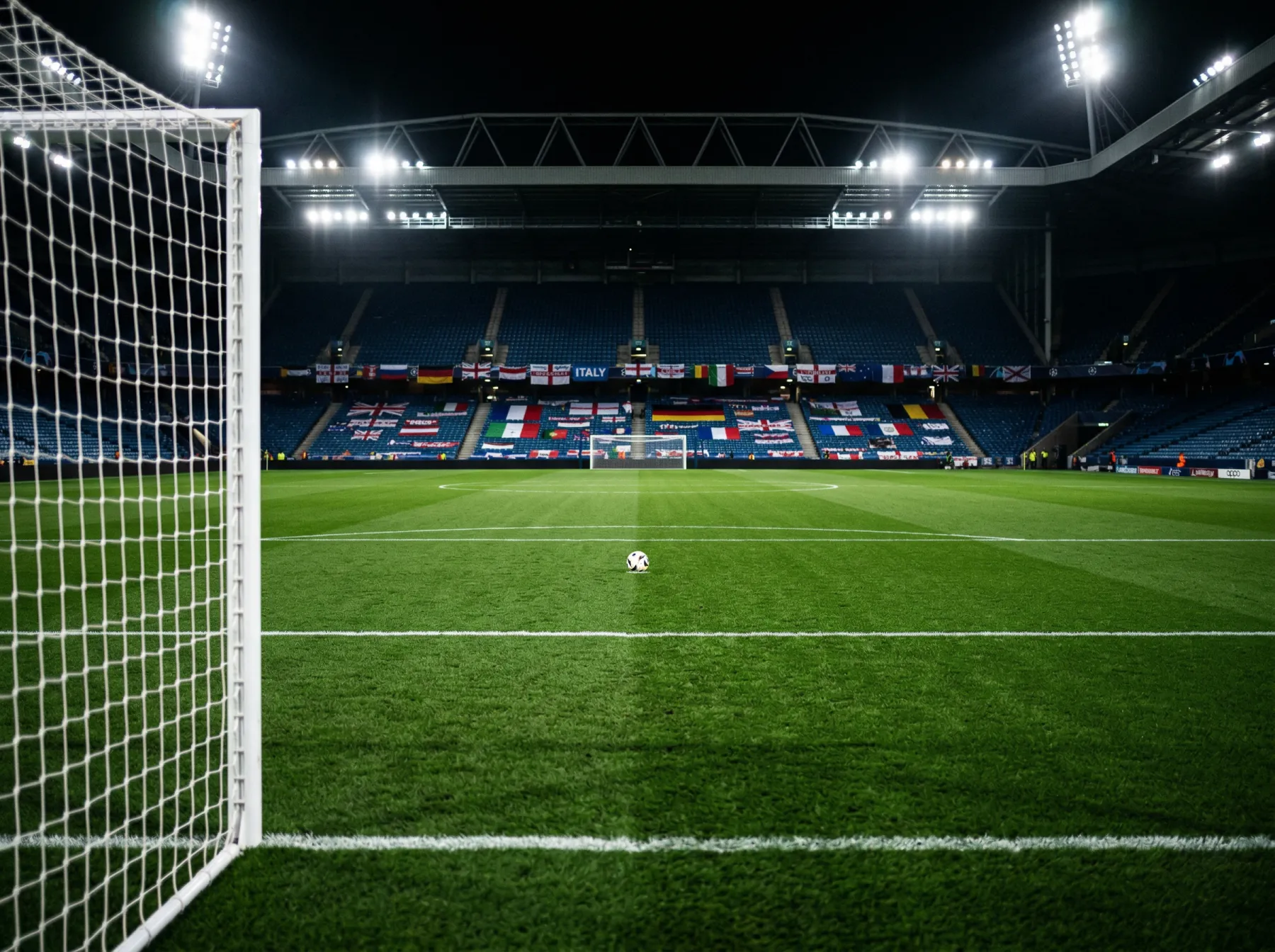
For the betting market, the third-place wildcard changes the calculus of every group. A team that plays defensively, draws two of three matches, and scrapes through on goal difference now has a legitimate route to the knockout rounds. That rewards conservative, well-organised sides — exactly the profile of a team like New Zealand. It also means group-stage "dead rubber" matches become rarer: even a team sitting third after two games has something to play for in the final matchday, which keeps late group fixtures competitive and harder for bookmakers to price accurately.
The expansion also introduces four genuine debutants — Cabo Verde, Curacao, Jordan, and Uzbekistan — alongside teams returning after decades away, like Iraq (absent since 1986) and DR Congo (absent since 1974). Their lack of tournament data forces bookmakers to lean more heavily on FIFA rankings and qualifying form, both of which are imperfect indicators at a World Cup. Where the data is thin, the odds are softer.
From a punting perspective, the 48-team format doesn't just add matches — it reshapes the risk profile of every World Cup betting market. Outright winner bets require surviving seven rounds instead of six. Accumulators involving group-stage results become more volatile because the third-place safety net changes how teams approach dead rubbers. And player prop markets — top scorer, most assists, most cards — now span a longer tournament with more minutes available, which shifts the probability curves for volume-dependent outcomes.
I've run models on the format shift for months, and one pattern keeps surfacing: the margin between the best third-placed team and the worst second-placed team is almost always razor-thin. That means a single goal in one group can cascade across the bracket. If you're the kind of punter who watches the tournament with a calculator open, 2026 is your playground.
The format sets the stage — but the real story for Kiwi punters starts with four letters: G-R-O-U-P G.
The last time New Zealand played at a World Cup, I was still breaking into this industry. South Africa 2010 — three matches, three draws, zero defeats, and an exit that felt like a victory lap. Shane Smeltz scoring against Italy. Ryan Nelsen marshalling a backline that refused to crack. The All Whites came home unbeaten and eliminated, which remains one of the most bittersweet statistical footnotes in World Cup history. Sixteen years later, they're back — and the draw has been kinder than anyone expected.
Group G pairs New Zealand with Belgium, Egypt, and Iran. On first glance, it looks like a group with one clear favourite (Belgium), one strong contender (Egypt), one question mark (Iran), and one outsider (New Zealand). But dig into the detail, and the picture shifts. Belgium's squad is aging — Kevin De Bruyne, Romelu Lukaku, and the remnants of the so-called golden generation are playing what is almost certainly their last major tournament together. Egypt lean heavily on Mohamed Salah, whose Liverpool form fluctuates, and whose World Cup record is limited to a brief and unhappy campaign in Russia 2018. And Iran's participation carries a geopolitical shadow that I'll address directly.
Iran's presence in the tournament remains uncertain. The ongoing military conflict involving Iran, the death of Ayatollah Khamenei in air strikes, and the Iranian Football Federation's public doubts about participation have created a genuine possibility of withdrawal. FIFA president Gianni Infantino confirmed on 1 April 2026 that Iran will compete, but the FIFA Congress in Vancouver on 30 April may revisit the decision. If Iran withdraws, the likely replacement from the AFC would be the UAE — and Group G drops from four teams to three, fundamentally altering every market tied to it.
For New Zealand, the path is clear: Belgium are the team to respect, Egypt are the team to target, and Iran (or a replacement) are the team that defines the opening fixture. Chris Wood, the Nottingham Forest striker who carries the All Whites' goalscoring hopes on his shoulders, brings Premier League quality to a squad that otherwise draws from lower European leagues and the A-League. His ability to hold the ball, win aerial duels, and convert half-chances is the single biggest factor in whether New Zealand survive the group stage or leave with nothing but effort.
Match 1
Iran vs New Zealand
16 June, 13:00 NZST
SoFi Stadium, Los Angeles
Match 2
New Zealand vs Egypt
22 June, 13:00 NZST
BC Place, Vancouver
Match 3
New Zealand vs Belgium
27 June, 15:00 NZST
BC Place, Vancouver
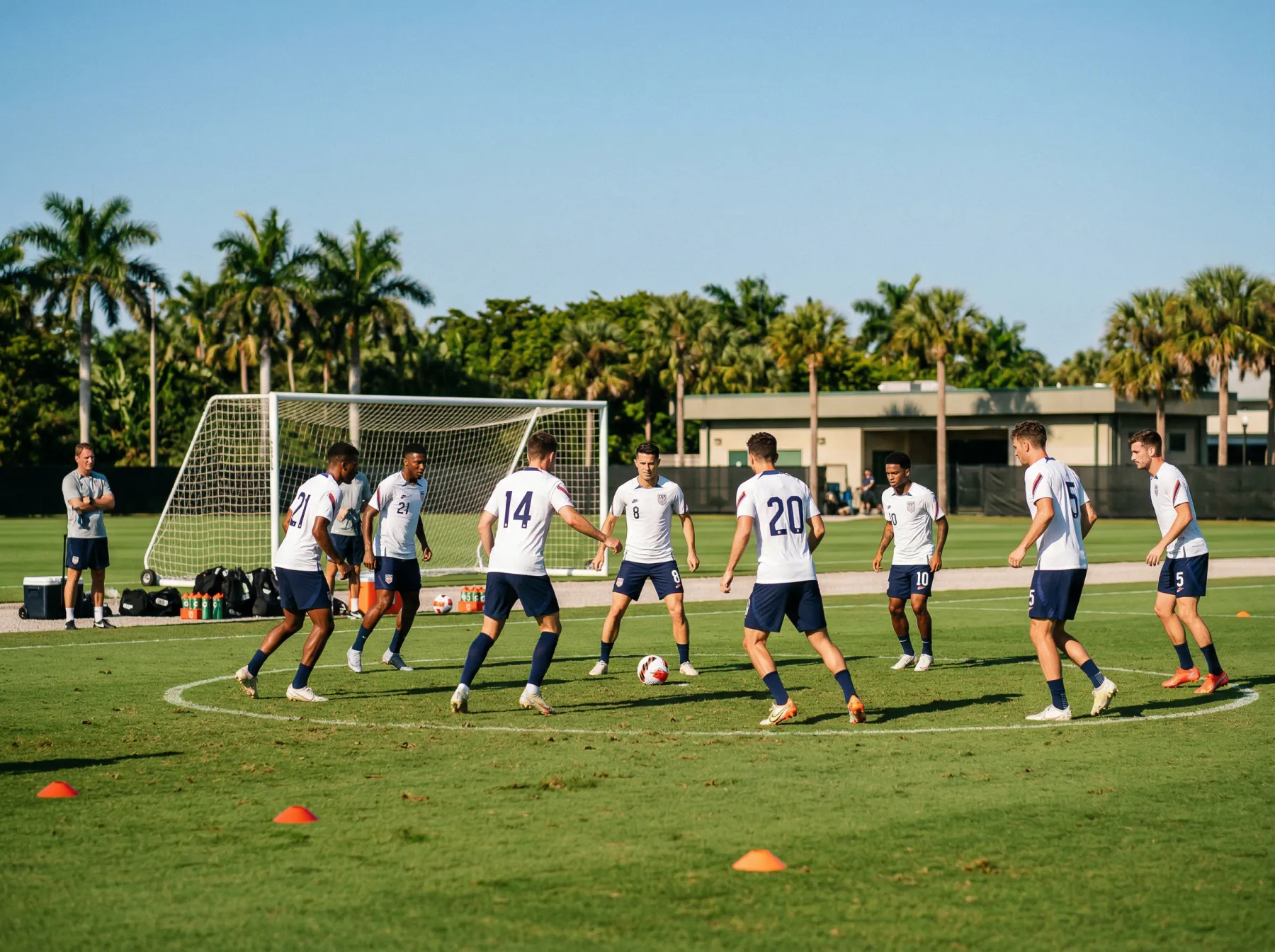
Every match falls between 13:00 and 15:00 NZST — afternoon viewing in New Zealand, which is the most accessible World Cup schedule Kiwi fans have ever had. No 3 a.m. alarm clocks, no bleary-eyed Monday mornings. The west coast venues (Los Angeles and Vancouver) place the All Whites in a time zone that's almost tailor-made for the New Zealand audience, and that means higher engagement, higher TAB turnover on NZ matches, and potentially tighter odds on the All Whites as local money floods in.
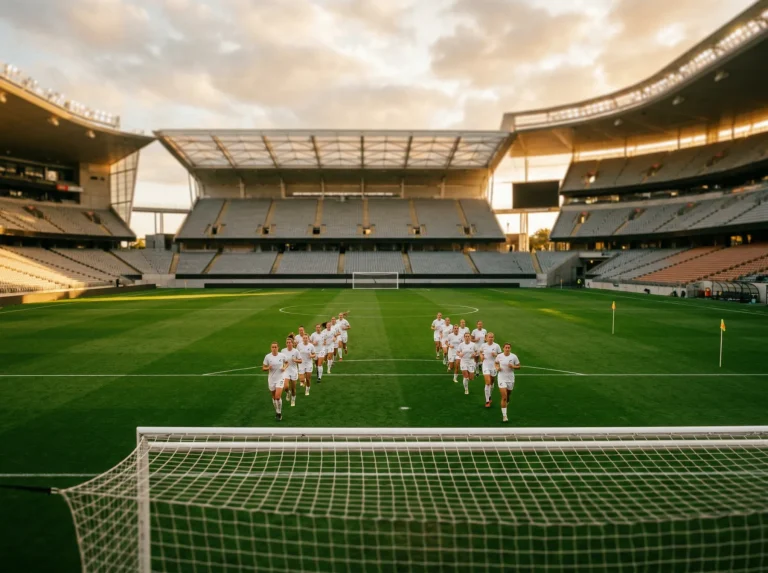
The realistic target is third place in Group G, which — under the new format — could be enough to reach the Round of 32. Beat Iran (or the replacement), compete hard against Egypt, and limit the damage against Belgium. It's a narrow path, but it's a path that didn't exist under the old 32-team structure. The All Whites' defensive discipline in 2010 — three draws, two goals conceded — is exactly the template that the third-place wildcard rewards. If Darren Bazeley's squad can replicate that resilience, the market is underpricing what New Zealand can achieve.
Group G is the most consequential draw in New Zealand football history — and the most important group in the entire 2026 World Cup betting landscape for Kiwi punters. The schedule, the format, and the opponents all point to a legitimate chance of progression, and the market hasn't fully caught up to that reality.
Knowing the group is step one. Knowing how the odds price it — and where they're wrong — is where the value actually lives.
I pulled up the outright winner odds on my screen the morning after the draw was confirmed, and the first thing I noticed wasn't who was favourite — it was who wasn't. The 2026 World Cup betting market had Argentina, the defending champions, sitting at roughly 5.00 on most boards. France, with two finals in three tournaments, hovered around 5.50. Brazil, trophy-less since 2002 but loaded with young talent, was priced near 8.00. England, as always, sat in that optimistic middle band around 9.00. None of that surprised me. What surprised me was the gap between those four and everyone else — and how much value that gap conceals.
Decimal odds are the standard in New Zealand and across Australasia, and they tell you something important if you read them correctly: the bookmaker's implied probability. An outright price of 5.00 for Argentina implies a 20% chance of winning. France at 5.50 implies 18.2%. But when you add up the implied probabilities of all 48 teams, the total exceeds 100% — that surplus is the bookmaker's margin, the invisible tax on every punt. On outright World Cup markets, the overround typically runs between 115% and 130%, which means the bookmaker is pricing in a 15-30% edge before you've placed a single dollar.
Reading the overround: a quick worked example
If Argentina is 5.00 (implied 20%), France 5.50 (18.2%), Brazil 8.00 (12.5%), and England 9.00 (11.1%), those four teams alone account for 61.8% of implied probability. Add the remaining 44 teams, and the total will exceed 100% significantly. The gap between 100% and the total is what the bookmaker keeps — your job is to find the teams whose true probability is higher than the implied one.
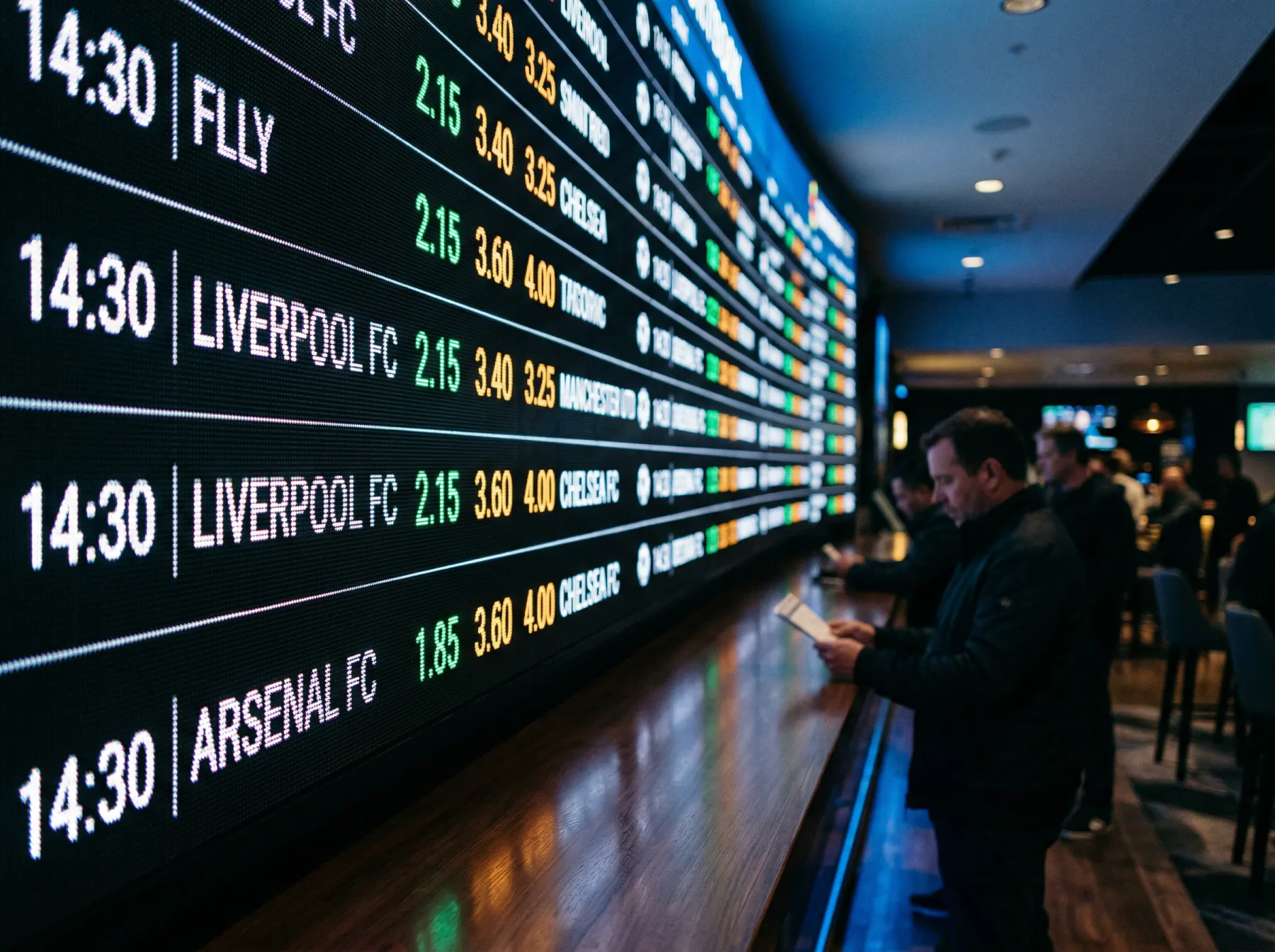
For a 48-team World Cup, the outright winner market is the most overpriced it's ever been — more teams means more individual prices, which gives the bookmaker more room to build margin into each one. That's why I tend to focus on value further down the odds board rather than backing favourites at compressed prices. A side like Colombia at 34.00, or Morocco at 41.00, offers a genuine mathematical edge if your model assigns them even a 4-5% chance of winning — which, given their respective squad depths and group draws, isn't unreasonable.
The All Whites' outright odds are stratospheric — north of 500.00 on most platforms — and rightly so. New Zealand winning the World Cup isn't a serious proposition. But group-stage markets, match result bets, and player prop markets are where NZ-related value actually hides. An All Whites draw against Iran at 3.40 or a Chris Wood anytime scorer bet at 4.50 in the same match represent far more actionable edges than any outright flutter.
One pattern I've tracked across the last four World Cups: outright odds shift sharply in the final two weeks before kick-off, driven by injury news, squad announcements, and late-money sentiment. The value window is right now — before the crowd arrives. Once the tournament starts, group-stage odds tighten across the board, and the market becomes significantly more efficient. If you're reading this before 11 June, you're reading it at the right time.
Outright winner markets at a 48-team World Cup carry historically high overrounds. The smartest NZ punting angles are in group-stage and match-level markets, where the bookmaker's model has less data and more room for error.
A World Cup is not a weekend of Premier League fixtures. You don't just pick a match result and move on. The tournament runs for 39 days with 104 matches, and the range of World Cup betting markets available — from the obvious to the obscure — is wider than anything most Kiwi punters encounter during the regular domestic season. Knowing which markets reward research and which are traps dressed up as opportunities is the difference between punting with purpose and punting on hope.
The outright winner is the headline market, and I've already covered its structural issues — high overround, compressed favourites, and a bracket that's impossible to predict seven rounds in advance. But it's also the most emotionally satisfying punt in football. If you back a team at 8.00 before the tournament and ride it through to the final, the return-on-investment dwarfs anything a match result bet can offer. The trick is discipline: pick your selection, stump up the stake, and don't hedge when they're wobbling in the quarter-finals.
Key markets for the 2026 World Cup: outright winner, group winner, group qualification (top 2 or top 3), match result (1X2), draw no bet, Asian handicap, over/under goals, both teams to score, correct score, top scorer (Golden Boot), player props (anytime scorer, cards, assists), and special markets (first goal of the tournament, highest-scoring group, total tournament goals).
Group qualification markets are where I spend most of my analytical time at a World Cup. They're priced earlier, they're based on a smaller sample (three matches), and the bookmaker's reliance on FIFA rankings and historical data creates inefficiencies that don't exist in domestic leagues. The question "will Team X finish in the top three of Group Y" is a market that rewards deep squad knowledge, tactical analysis, and an understanding of the specific conditions each team will face — altitude, climate, pitch surface, travel distance. It's the market that most closely matches the kind of analysis I do.
Player markets — top scorer, anytime scorer in specific matches, cards, assists — have become increasingly popular over the last two World Cups, and the 48-team format amplifies their appeal. More matches mean more opportunities for volume-dependent outcomes. A striker from a team in a weak group who plays all three matches and scores twice might accumulate enough goals to challenge for the Golden Boot if his team advances deep. The maths favour attackers from sides that comfortably top their group, because those teams tend to score more in the group stage and rest key players less.
Asian handicap and over/under markets are the bread and butter of serious match-level punting, and at a World Cup, they carry a specific advantage: the bookmaker's pre-tournament pricing is based on relatively stale data (qualifying form, friendlies, FIFA rankings), while the actual in-tournament dynamics shift rapidly after the first matchday. If you're watching every game and adjusting your model in real time, you'll spot handicap lines that haven't moved fast enough to reflect what's actually happening on the pitch.
Markets tell you what to bet on. But where the matches are played — and in what conditions — tells you how the football will actually look.
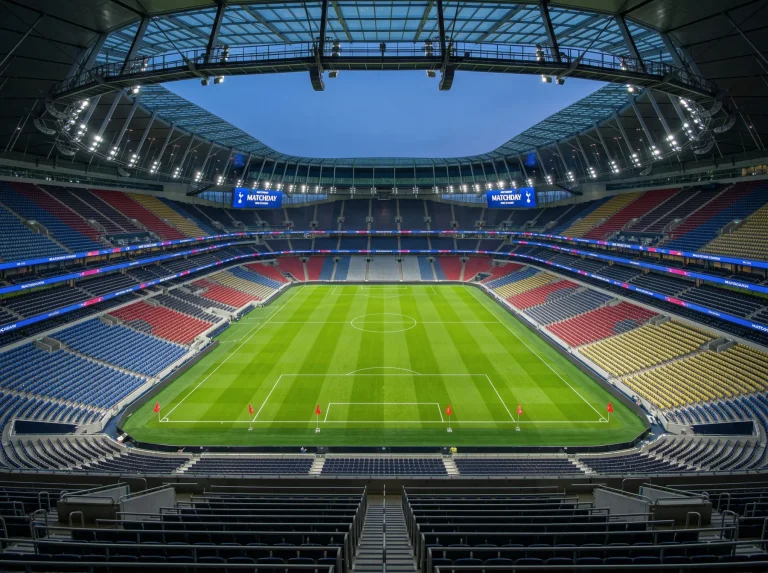
Most World Cup betting previews treat stadiums as a footnote — a list of names and capacities. I treat them as variables in a model. Where a match is played affects how it's played, and how it's played affects the outcome. At the 2026 World Cup, the venue map spans from sea level in Miami to 2,240 metres above it in Mexico City, from the retractable roof of BC Place in Vancouver to the open-air July heat of MetLife Stadium in New Jersey. These aren't cosmetic differences. They change the tempo, the fatigue curve, and the probability of goals.
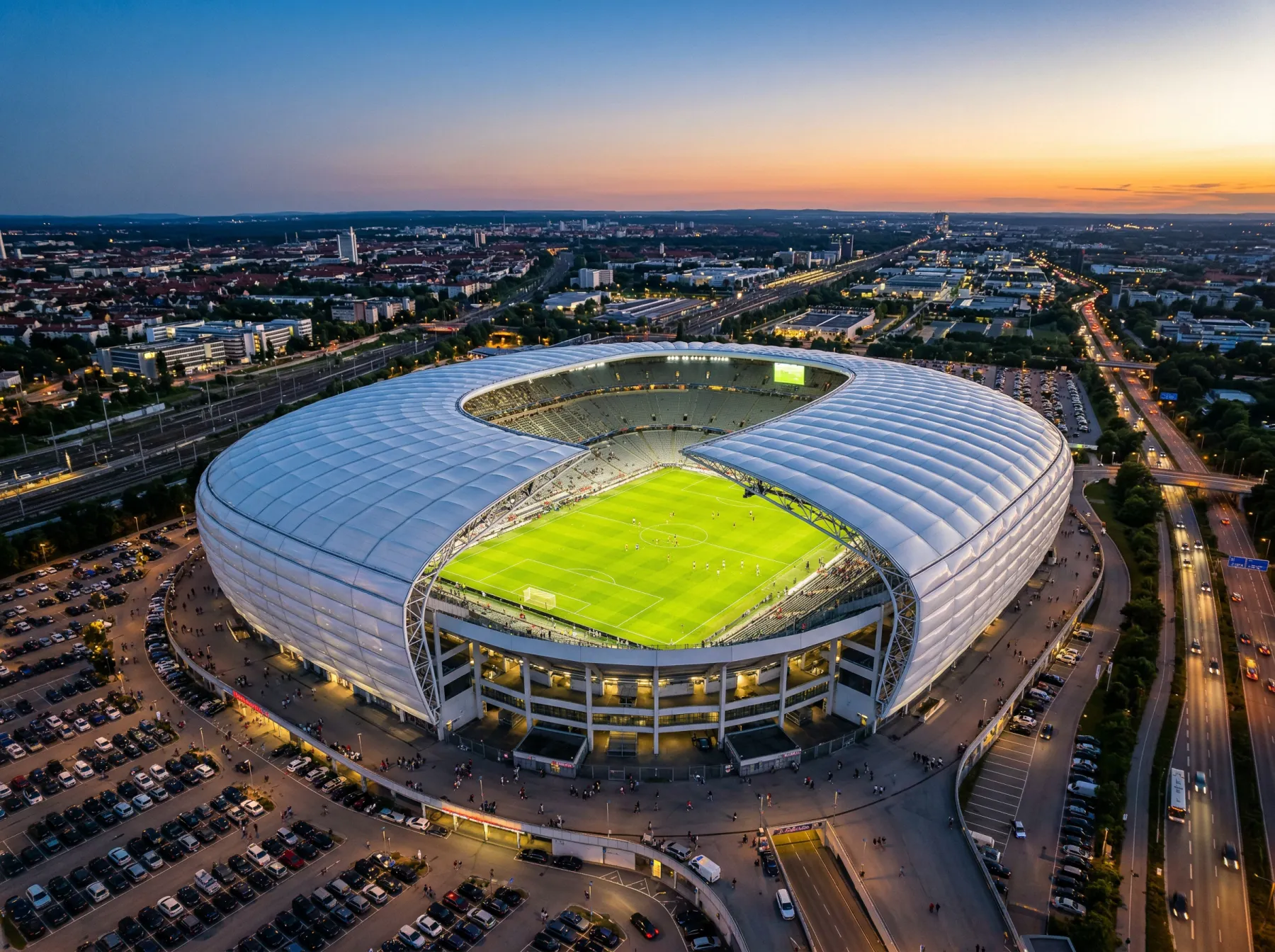
Mexico's three stadiums — Estadio Azteca, Estadio BBVA in Monterrey, and Estadio Akron in Guadalajara — introduce the altitude factor that defined the 1970 and 1986 World Cups. Azteca sits at 2,240 metres. Teams unaccustomed to altitude tire faster, pressing intensity drops, and matches tend to slow in the second half. For over/under punters, that pattern is gold: altitude matches historically produce fewer goals in the final 30 minutes, which can push total goals under the pre-match line.
The American stadiums present a different set of conditions. SoFi Stadium in Los Angeles, where the All Whites open against Iran, is an indoor venue with a fixed translucent roof — no wind, no rain, no direct sun, and a consistent playing surface. Contrast that with Hard Rock Stadium in Miami, where June humidity regularly exceeds 80% and afternoon temperatures sit above 32 degrees Celsius. European squads with deep benches can rotate to manage the heat. Smaller squads — like New Zealand's — cannot, and fatigue becomes cumulative across three matches in 11 days.
MetLife Stadium, the venue for the 2026 World Cup final on 19 July, was built for American football — meaning the pitch dimensions require a temporary grass surface installed over the standard turf. FIFA mandates natural grass for all World Cup matches, which means every American venue with artificial turf will undergo a re-surfacing process. The quality of temporary pitches has been inconsistent in past tournaments, and it's a variable most pre-match models ignore.
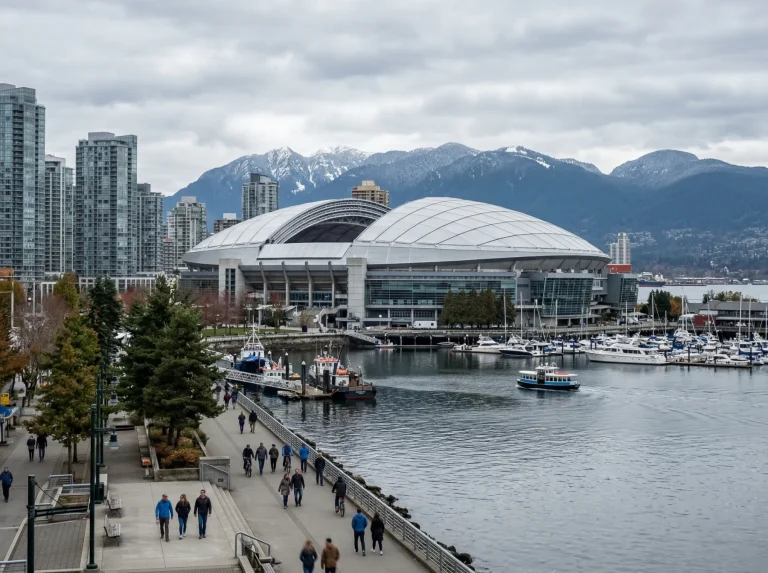
BC Place in Vancouver, where the All Whites play two of their three group matches, offers a retractable roof and a hybrid grass surface. If the roof is closed, conditions resemble an indoor arena — no wind, stable temperature, fast ball movement. If it's open, Vancouver's June climate is mild (15-22 degrees Celsius) with occasional rain. The roof decision, typically made hours before kick-off, can shift the tempo of a match, and it's a detail that pre-match odds don't always reflect.
Venue conditions — altitude, heat, humidity, roof status, pitch surface — are measurable variables that most punters ignore and most bookmakers underweight. At a tri-host World Cup spanning sea level to 2,240 metres, they matter more than ever.
Every World Cup betting punter has a scar. Mine is from 2018 — I backed Germany to reach the semi-finals at 1.50, which felt like free money until South Korea scored twice in stoppage time and sent the defending champions home in the group stage. That result didn't just cost me a stake. It recalibrated how I think about favourites at World Cups, and seven tournaments' worth of data backs up the lesson: the team everyone expects to cruise through rarely does so without a stumble.
Since France 1998, every single World Cup has produced at least one group-stage exit by a top-eight ranked team. In 2002, France went home without scoring a single goal as defending champions. In 2010, Italy — the 2006 winners — finished bottom of their group. In 2014, Spain, fresh off winning the 2010 title, lost their opener 5-1 to the Netherlands. In 2022, Germany failed to advance for the second consecutive tournament. The pattern is so consistent that I've built a standing rule into my model: never trust a defending champion or recent finalist to outperform their group-stage odds.
The All Whites' own World Cup history offers a case study in value. At the 2010 tournament, New Zealand drew all three group matches — against Slovakia (1-1), Italy (1-1), and Paraguay (0-0). They finished third in the group on three points and three goals scored. Under the 2026 format, those three draws would likely have been enough to advance as one of the eight best third-placed teams. History doesn't repeat at a World Cup, but it rhymes.
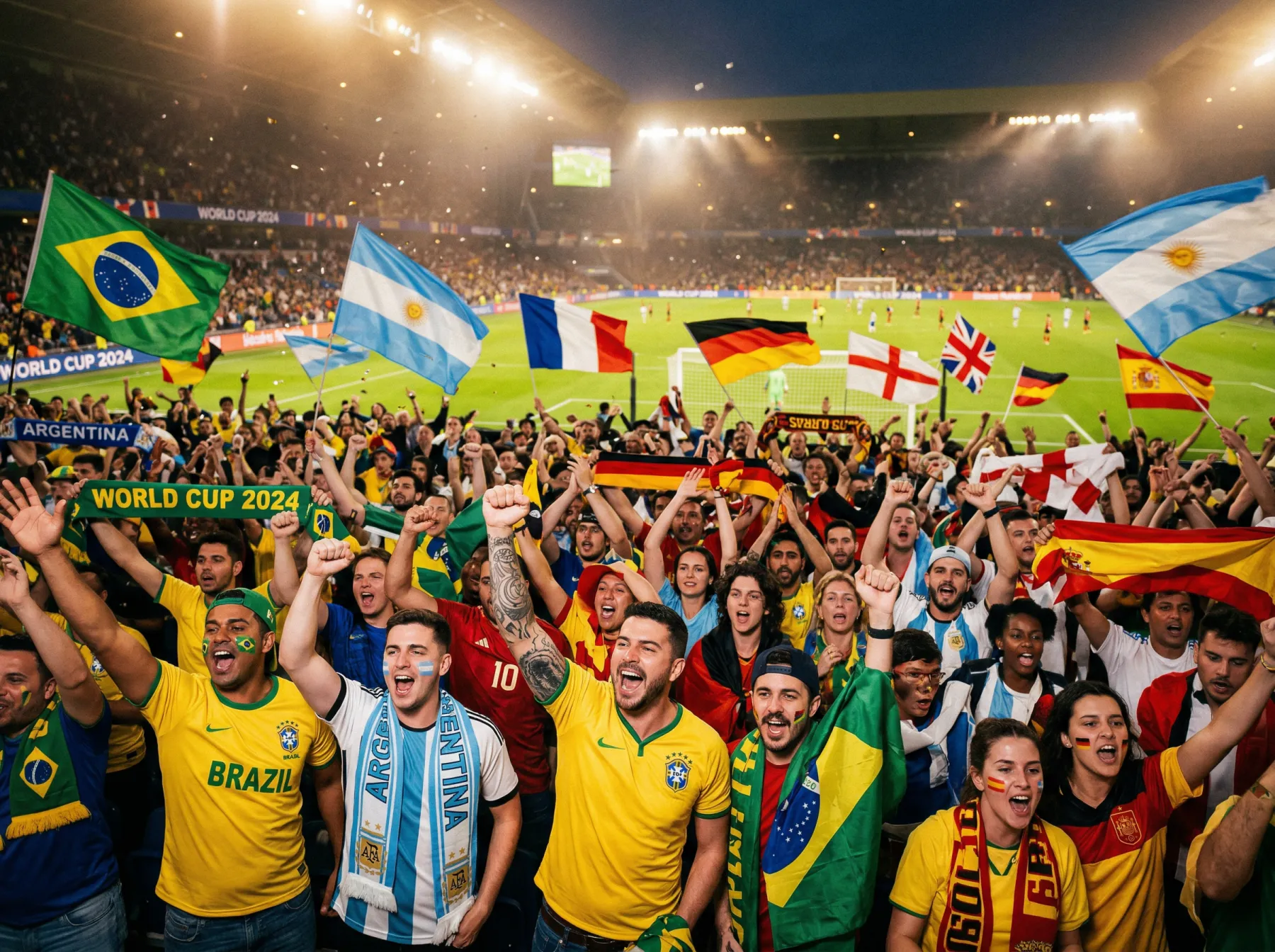
What past tournaments teach about 2026 World Cup betting specifically comes down to three patterns. First, host nation advantage is real but not automatic — since 1998, the host has reached at least the quarter-finals in five of seven tournaments, but South Africa (2010) and Qatar (2022) both exited in the group stage. The United States, Mexico, and Canada each carry varying degrees of home advantage, and the market tends to overprice the hosts in the opening fixture while underpricing them in later rounds. Second, group-stage upsets cluster in the first matchday, when teams are least settled and the bookmaker's model is based entirely on pre-tournament data. The second and third matchdays produce fewer surprises because in-tournament form data has entered the market. Third, late-tournament fatigue disproportionately affects teams from warmer qualifying confederations (CONMEBOL, CAF, AFC) who play in northern summer heat across long distances — a dynamic that 2026, with its tri-country logistics, will amplify.
The bookmaker's model updates fastest in the early group stage and slowest in the knockout rounds, where narrative and sentiment drive line movement more than data. If you're disciplined enough to bet against the crowd's emotional reaction to a dramatic quarter-final, the knockout stages are where the sharpest value emerges — but only if you've been paying attention since matchday one.
At the 2022 World Cup in Qatar, the group stage produced 120 goals in 48 matches — an average of 2.50 per game. The knockout stage produced 49 goals in 16 matches — 3.06 per game. The popular belief that knockout football is cagier and lower-scoring is a myth that bookmakers exploit: they set lower over/under lines for knockout matches, and the overs hit more often than the odds suggest.
If you've been punting on the World Cup from New Zealand for years using an offshore account, the rules changed while you weren't looking. On 28 June 2025, amendments to the Racing Industry Act 2020 came into force, making it illegal for offshore operators to offer sports betting to New Zealand residents. The Department of Internal Affairs (DIA) now enforces this ban, and while the practical impact on individual punters has been limited so far — enforcement targets operators, not customers — the legal landscape is clear: TAB NZ is the only lawful platform for 2026 World Cup betting in this country.
TAB NZ operates under a regulated monopoly for sports and racing wagering, with a 25-year partnership agreement with Entain (signed in 2023) providing the technology platform, odds compilation, and market range. For Kiwi punters, this means the odds you see on TAB NZ are compiled by Entain's global trading team — the same operation that prices markets for Ladbrokes, Coral, and other major international brands. The product is global-grade, even if the shopfront is local.
Key legal points for NZ punters: all sports betting winnings in New Zealand are tax-free, including winnings from offshore accounts (though using offshore platforms is now illegal). The Gambling Act 2003 governs all gambling activity. Advertising by offshore operators is banned, with fines up to NZ$10,000 per violation. TAB NZ is required to direct a portion of its profits to community funding and racing industry development.
There's a second piece of legislation worth knowing about, even though it doesn't directly affect World Cup betting. The Online Casino Gambling Act, which took effect on 1 May 2026, introduces a licensing regime for online casinos in New Zealand — up to 15 licences awarded through auction, with only licensed platforms permitted to operate from 1 December 2026. This doesn't change the sports betting landscape (TAB NZ retains its monopoly there), but it signals the direction of travel: New Zealand is moving from prohibition to regulated access, which over time may expand the range of legal wagering options available to Kiwi punters.
For 2026 World Cup betting specifically, the practical reality is simple: TAB NZ is your platform. The odds are competitive by international standards, the decimal format is clean and transparent, and the coverage of World Cup markets — outright, group, match, and player props — is comprehensive. The monopoly structure means you won't find line-shopping opportunities between operators, which is a limitation for serious punters accustomed to comparing prices across multiple books. But it also means there's one set of odds to analyse, one platform to master, and zero ambiguity about legality.
TAB NZ is the sole legal sports betting operator for Kiwi punters. All World Cup winnings are tax-free. The June 2025 offshore ban closed the door on alternative platforms — understand the rules before the first ball is kicked.
The 2026 FIFA World Cup features 48 teams — an expansion from the 32-team format used since 1998. The teams are divided into 12 groups of four, with 104 matches played across 39 days in the United States, Mexico, and Canada. The top two teams from each group advance, plus the eight best third-placed teams, creating a Round of 32 knockout bracket.
Sports betting through TAB NZ is legal and regulated under the Gambling Act 2003 and Racing Industry Act 2020. Since 28 June 2025, offshore sports betting operators are banned from serving New Zealand residents. TAB NZ, operating in partnership with Entain, is the only lawful platform for placing sports bets in the country. All sports betting winnings are tax-free for NZ residents.
Decimal odds — the standard format in New Zealand and Australasia — represent the total payout per dollar staked, including your original stake. If the odds are 3.50 and you bet NZ$10, your total return on a winning bet is NZ$35 (NZ$10 stake plus NZ$25 profit). To calculate implied probability, divide 1 by the decimal odds: 1 / 3.50 = 0.286, or roughly 28.6%.
New Zealand is in Group G alongside Belgium, Egypt, and Iran. The All Whites open against Iran at SoFi Stadium in Los Angeles on 16 June (13:00 NZST), face Egypt at BC Place in Vancouver on 22 June (13:00 NZST), and close the group against Belgium at BC Place on 27 June (15:00 NZST). All three matches fall in afternoon NZST slots.
Under the 2026 format, the eight best third-placed teams advance to the Round of 32, which gives the All Whites a realistic path. Finishing third in Group G — ahead of Iran or their replacement, and behind Belgium and Egypt — would likely require at least one win and one draw, or three draws with a competitive goal difference. For context, New Zealand's three draws at the 2010 World Cup would almost certainly have qualified them under this format.
The opening match — Mexico versus South Africa at Estadio Azteca in Mexico City — takes place on 11 June 2026. The final is at MetLife Stadium in East Rutherford, New Jersey, on 19 July 2026. The group stage runs from 11 to 28 June, followed by the knockout rounds from 29 June through the final.
The overround (also called the vig or margin) is the percentage by which the total implied probability of all outcomes exceeds 100%. It represents the bookmaker's built-in profit. If a match has three outcomes priced at implied probabilities of 45%, 30%, and 30%, the total is 105% — meaning a 5% overround. A lower overround means fairer odds for the punter. At World Cup outright markets with 48 teams, overrounds can reach 120-130%, which is why match-level and group markets often offer better mathematical value.
The 2026 FIFA World Cup betting landscape is the most complex and data-rich environment any punter has faced. Forty-eight teams across three countries, a new format that reshapes every market from outright winner to group-stage draw, and a New Zealand squad with a genuine — if narrow — path through Group G. The odds on your TAB screen are not fixed truths. They're opening offers from a bookmaker who knows less about this tournament than he'd like to admit, because nobody has ever priced a 48-team World Cup before.
I've laid out the framework in the sections above: the format's structural impact, the All Whites' Group G reality, where the early odds carry value, which markets deserve your attention, how stadium conditions shift outcomes, what seven previous World Cups teach us about the one ahead, and what the legal landscape looks like for Kiwi punters in 2026. Each of these threads goes deeper elsewhere on this site — dedicated breakdowns of every group, every contender, every betting market, and every stadium.
The tournament starts on 11 June. The value window starts now. I'll be updating the analysis as squad announcements drop, injury news breaks, and the market adjusts. If you're the kind of punter who reads before they bet — and you've made it this far, so you clearly are — you're in the right place.